
Skip to main contentSkip to footer
ground penetrating radar

Ground Penetrating Radar

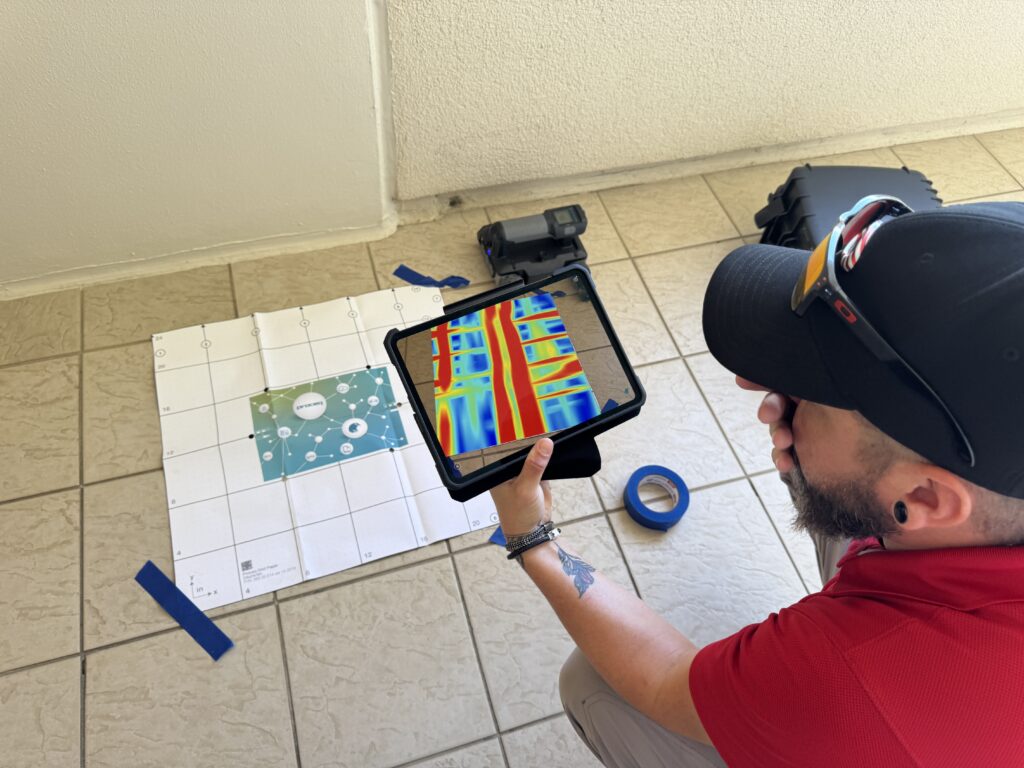
Ground-penetrating radar (GPR) allows our engineers to see inside concrete and below grade without cutting, coring, or demolition. We use GPR to locate reinforcing steel, post-tension tendons, conduits, voids, and other concealed conditions before repairs or modifications begin. The result is safer work, fewer surprises during construction, and repair plans based on what is actually inside the structure.
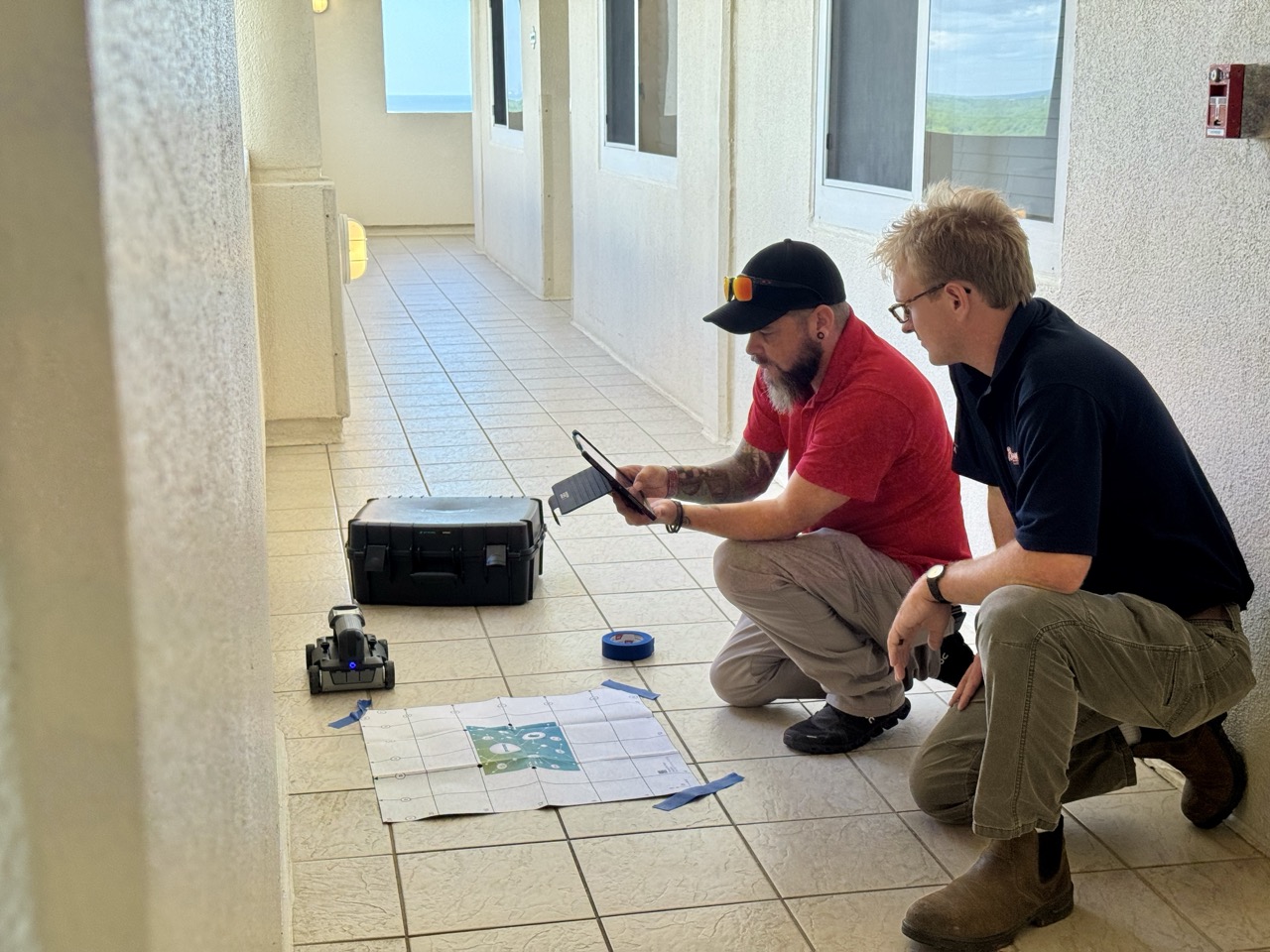
Building Forensic Investigations

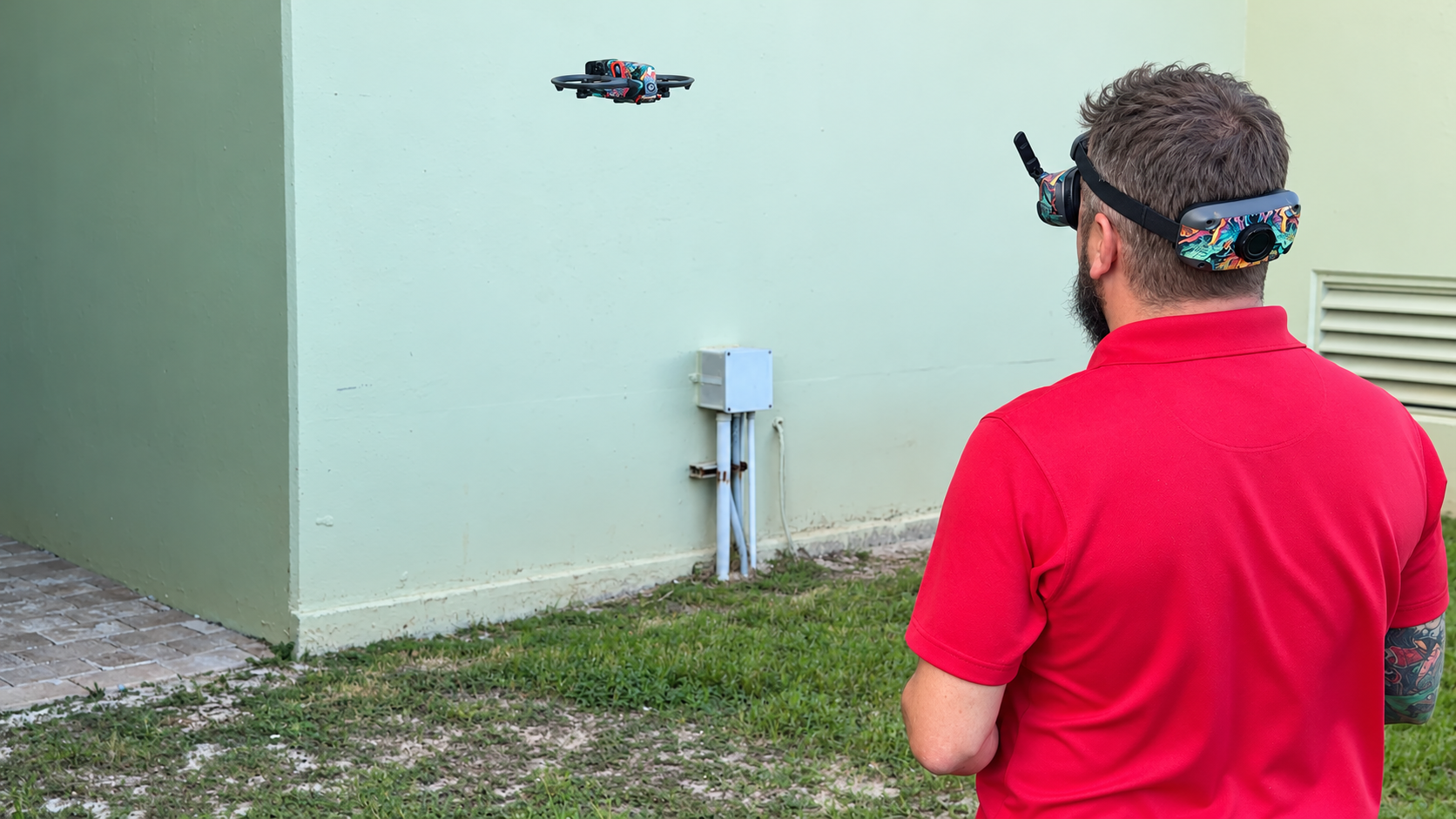
When a building shows signs of distress, such as water intrusion, cracking, deflection, or deterioration, our forensic investigations determine what is happening and why. We combine on-site evaluation, non-destructive testing, and drone-assisted inspection to trace problems to their source and document our findings clearly. Property owners, associations, and insurers receive defensible answers and practical recommendations for moving forward.

forensic engineer
concrete testing

Ultrasonic Concrete Testing

Ultrasonic testing measures how sound waves travel through concrete to evaluate its uniformity and internal condition. This method helps us identify cracking, voids, honeycombing, and areas of weakened concrete that are not visible from the surface. It provides reliable data on structural elements without damaging them, making it valuable for both quality verification and condition assessments.

Concrete & Corrosion Assessments

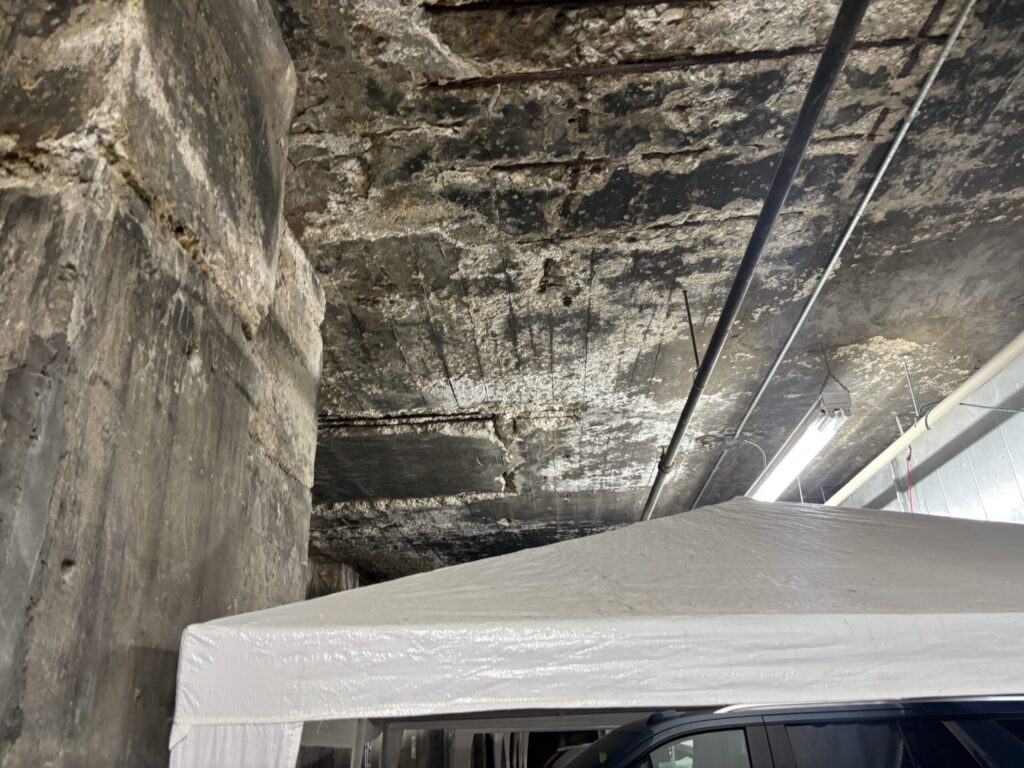
Along the Gulf Coast, salt air and moisture accelerate the corrosion of reinforcing steel, which leads to cracking and spalling concrete over time. Our assessments evaluate the extent of deterioration, identify areas of active corrosion, and determine the remaining condition of structural elements. These findings support repair designs, capital planning, and maintenance decisions for condominiums, commercial buildings, and waterfront structures.

concrete corrosion